Articles —
What single origin coffee actually means and why it matters
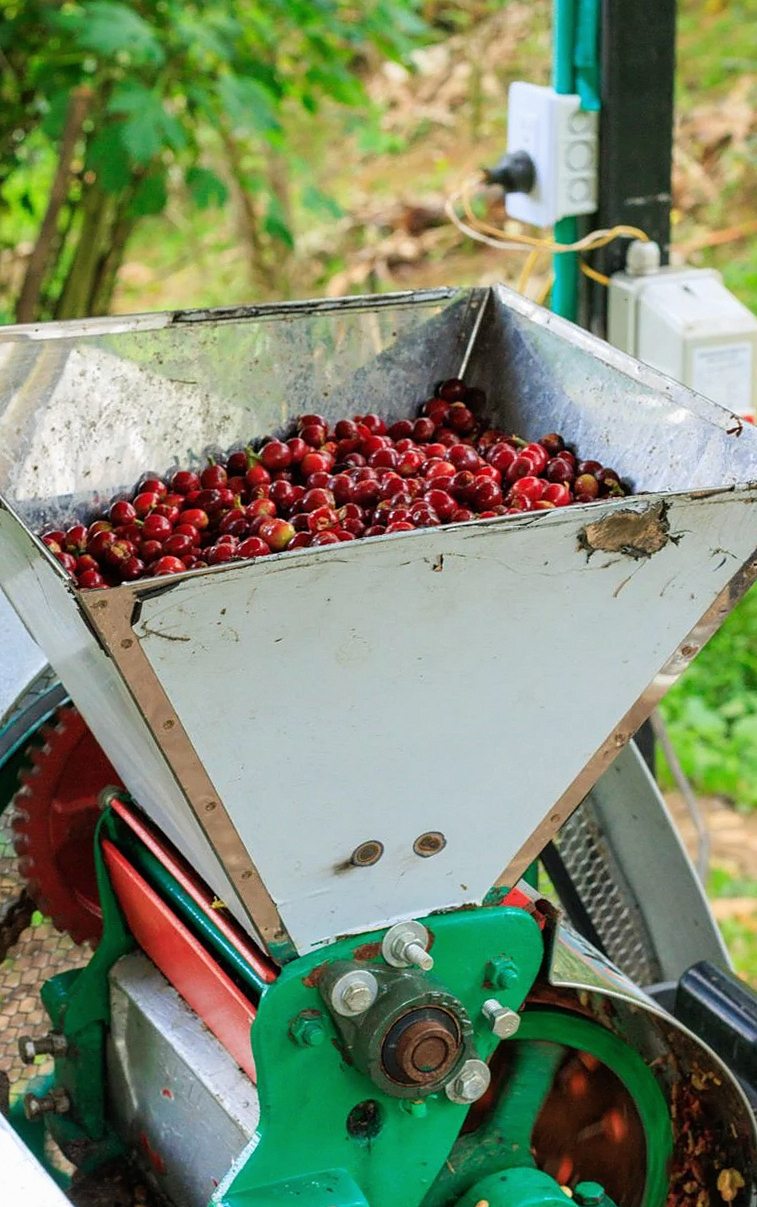
Single origin is one of those terms that gets used on menus without much explanation. At its most basic it means the coffee comes from one place rather than a blend of several. But the word 'place' can mean a continent, a country, a region, a cooperative, or a single farm, and those are very different things.
What the term actually covers
A bag labelled 'Ethiopia' is single origin in the loosest sense. A bag labelled 'Yirgacheffe, Gedeo Zone, washed process, 1,900m' is telling you something much more specific. The more specific the information, the more traceable the coffee, and traceability is what makes single origin meaningful rather than just a marketing label.
At Cozy Zephyr, we source through an importer in Osaka who provides the harvest year, the altitude, the processing method, and the cooperative or washing station for each lot. That information goes on the tasting card by the grinder. It is not there to impress anyone. It is there because it changes how you taste the coffee.
Processing method and why it appears on the label
The processing method, washed, natural, or honey, describes how the coffee cherry is removed from the bean after picking. Washed coffees have the fruit removed before drying, which produces a cleaner, more acidic cup. Natural coffees are dried with the fruit still on, which adds sweetness and body and sometimes a fermented, wine-like quality.
The Ethiopian Yirgacheffe we are currently pouring is washed. The Guatemalan Huehuetenango is natural. They taste very different, and the processing method is a large part of why. Knowing this before you order helps you choose the cup that suits your mood.
Does single origin mean better?
Not automatically. A well-constructed blend can be more consistent and more interesting than a poorly sourced single origin. The advantage of single origin is transparency: you know where the coffee came from, and if you like it, you can ask for it again. Blends are often designed to be consistent across seasons, which means the recipe changes as the component beans change, without the label changing.
We serve both. The espresso base at Cozy Zephyr is a blend of a washed Ethiopian and a natural Brazilian, roasted in-house to a medium profile. The pour-over bar is always single origin. Both approaches have a reason.
If you want to understand what is in your cup on a given day, the tasting card by the grinder is the starting point. Ask if anything on it needs explaining.
Tsuyoshi Komatsu · Single origin · Traceability · Ethiopia · Guatemala · Pour over